
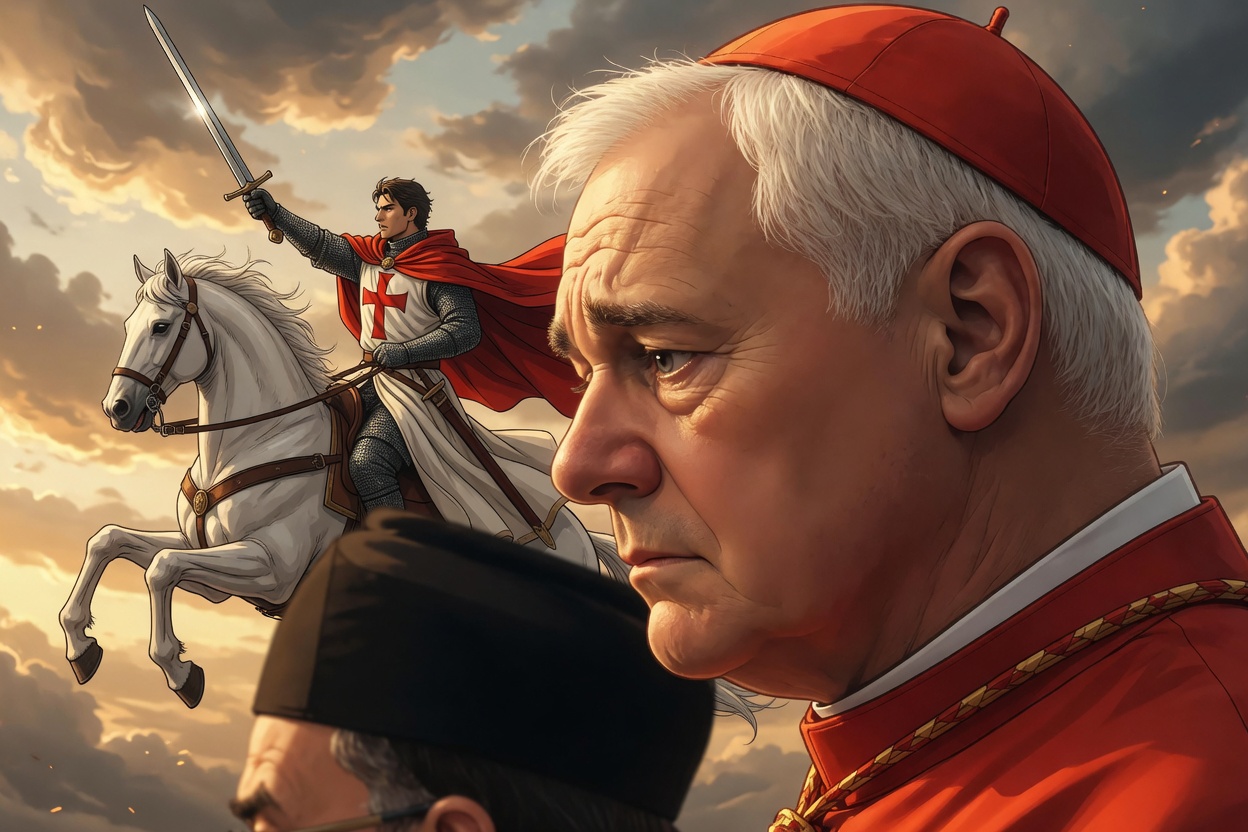
As a Catholic Christian, I feel an urgent need to raise my voice regarding situations that—far from fostering unity—seem to seek division through the distorted use of the Holy Scriptures. Recently, we have witnessed statements by Pope Leo XIV that have unleashed a wave of criticism—specifically, his citation of a passage that does not exist in the Bible, used to attack political figures such as Donald Trump.
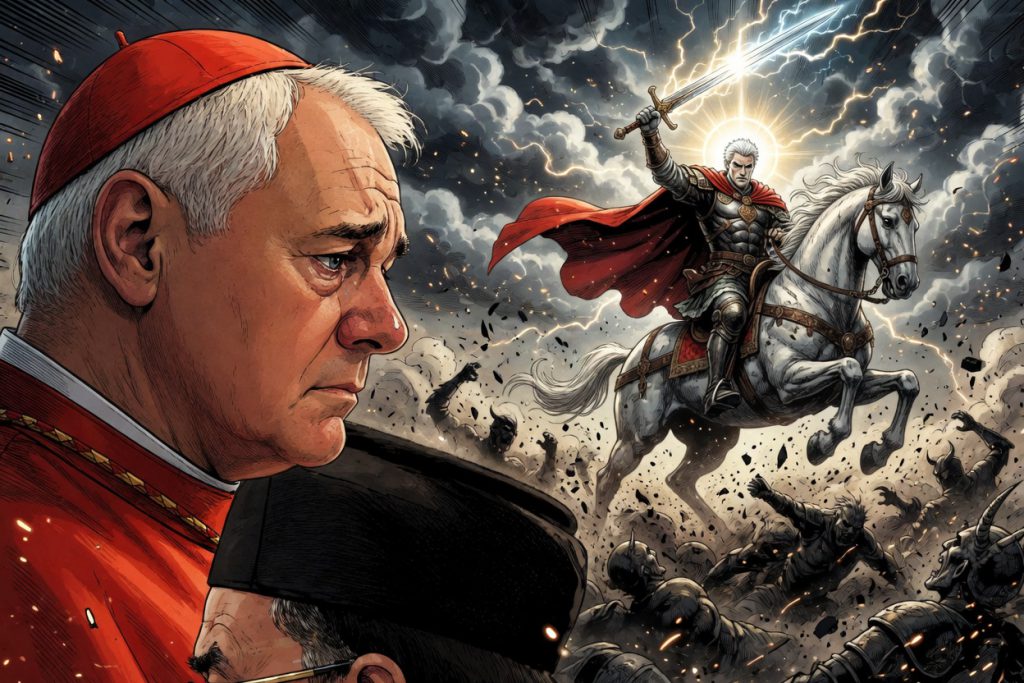
The Pontiff declared: “Jesus told us: ‘Blessed are the peacemakers,’ but woe to those who manipulate religion—in the very name of God—for their own military, economic, or political gain, dragging the sacred into darkness and filth!”
First and foremost, I must affirm that I am a Catholic Christian and that, through this article, I seek to break the silence of those who act like sheep devoid of any independent judgment. The first line of that quote does appear in the Scriptures, but the remainder consists of words added to promote a political agenda. The original text in Matthew 5:9—which forms part of the Beatitudes—reads as follows:
“Blessed are the peacemakers, for they shall be called sons of God” (Matthew 5:9, RVR1960).
This verse teaches us that those who actively seek peace, reconcile conflicts, and strive to achieve harmony are blessed and reflect the very character of God. To be a peacemaker means actively working for peace, not merely avoiding conflict; it implies reconciling people with one another and with God.
The Separation of Church and State
Allow me to offer a bit of context before proceeding. According to the Gospel accounts, certain religious and political groups attempted to corner Jesus Christ by asking Him whether it was lawful to pay taxes to Caesar. It was a trap: had He answered “yes,” He would have alienated the Jewish people; had He answered “no,” He could have been accused of rebellion. Jesus, with infinite wisdom, replied:
“Then He said to them, ‘Whose image and inscription is this?’ They said to Him, ‘Caesar’s.'” “And He said to them, ‘Render therefore to Caesar the things that are Caesar’s, and to God the things that are God’s'” (Matthew 22:20-21, RVR1960).
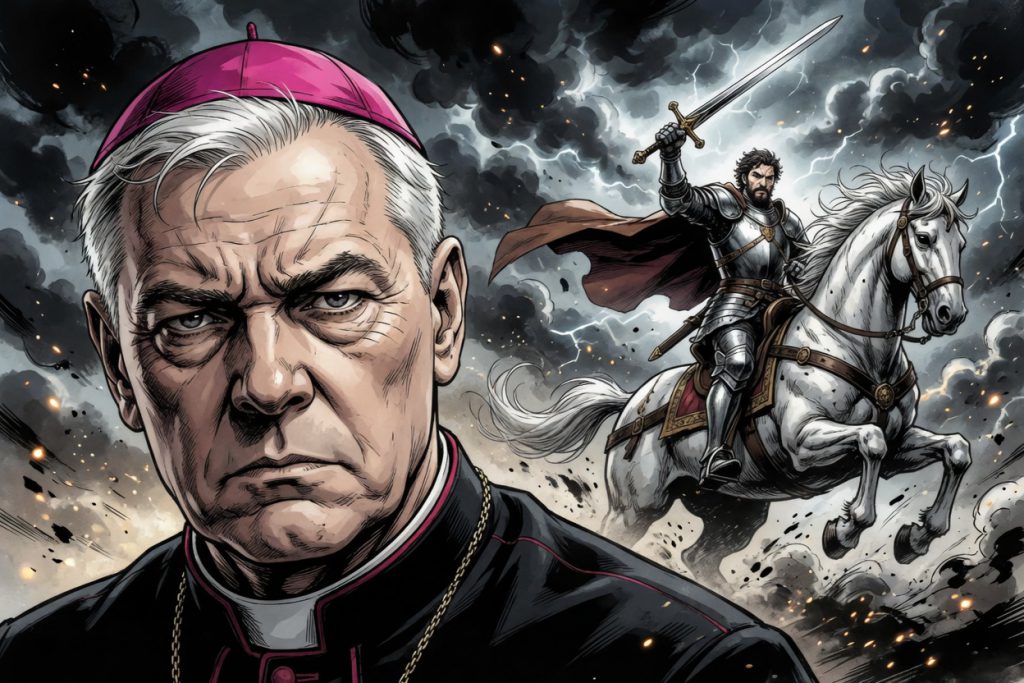
This makes it clear—affirmed by Christ Himself—that there must be a separation between Church and State. It is something I find very strange that the Pope—being, supposedly, an avid reader of the Bible—seems to have ignored.
On Authority and Disobedience
The Bible shows us the consequences of disobeying the divine command. Saul, who was God’s anointed one through Samuel, disobeyed and was rejected. In 1 Samuel 15:1-7, we see how God decrees judgment against Amalek—a people so detrimental to humanity that God ordered their total destruction, specifically listing men, women, children, nursing mothers, grazing animals, and mules as the threats that had to be eliminated.
Mr. Müller, tell this to the Pope: I do not know if he has ever read this passage, but this is the very Bible he claims to follow—and which, nevertheless, in practice, he distorts. You, Cardinal Müller—as a witness to this violence against the Word—should not remain silent, nor should you allow this to be swept under the rug, just as is done with the massacres of Christians in certain African nations and Arab-Muslim countries—nations that, in fact, have become the new “people of Amalek.” I had decided not to react to such an affront; however, I find your arrogance absolutely unacceptable—specifically your assertion that “no one may criticize the Pope.”
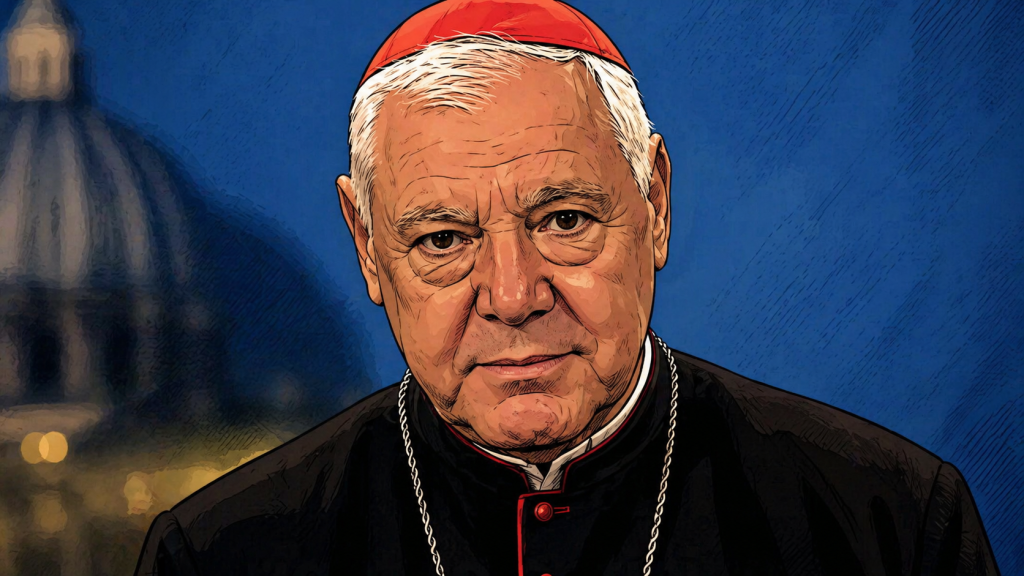
You are mistaken. I say this by invoking the principle of the separation between Church and State, just as God stipulated. When the Pontiff steps aside from his spiritual role to venture into politics, he forfeits the immunity inherent to his sacred office; he thus becomes a politician—vulnerable to criticism from any sinner—even from one such as myself—who recognizes that the Pope has violated the very nature of his own office. You, in fact, seem to have created your own dogma of faith: “No one may criticize the Pope.” Well, here I am.
I hope that next time you will set aside your arrogance and not challenge your flock. Rather, let us pray that the Church evolves, for throughout its history it has passed through very dark periods. As I once heard my father say: “In the name of Christ, the most horrible acts in human history have been committed since the founding of the Church”; and I would add that, thank God, it has evolved—albeit very slowly.
We must cease to be sheep without discernment. The Bible is a sacred book that must be respected, not manipulated for temporal interests. As Christians, our allegiance must lie with the truth of the Word, and not with political agendas disguised as holiness.
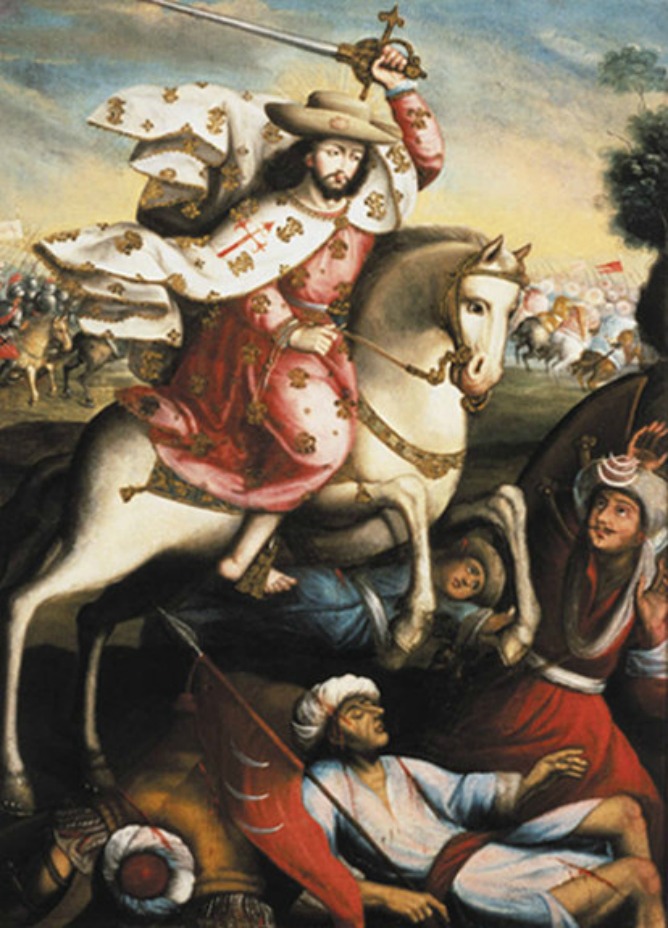
For if the words were truly as the Pontiff spoke them, the figure of Saint James—who was so prolific and powerful in the expulsion of the Moors from Spain—would not have had the solid and sovereign ground upon which to flourish. History is woven with moments where the defense of justice required a firm hand—something that seems to be forgotten in current pontifical discourses.